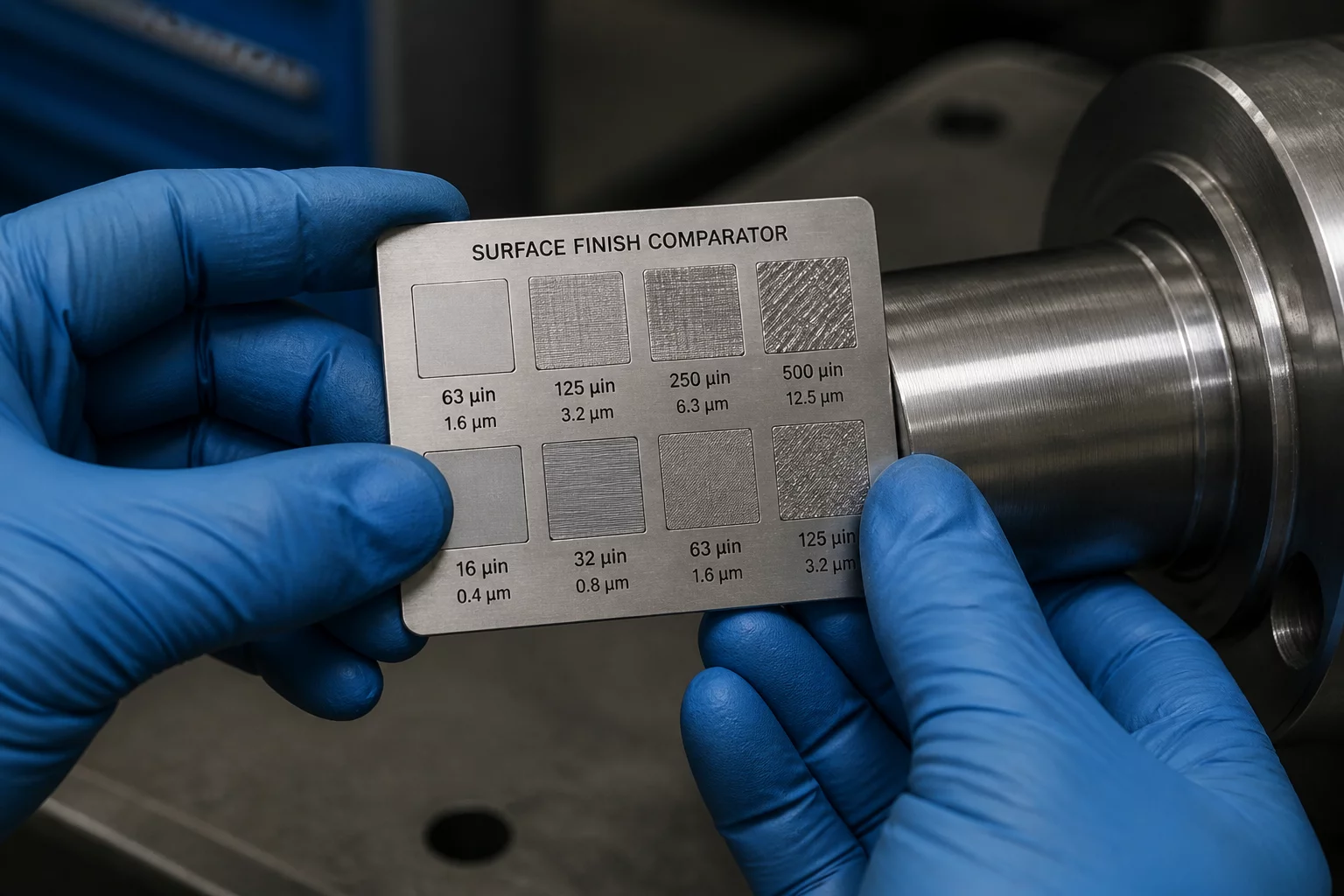
What is Surface Intent?
In the world of manufacturing, surface intent refers to the specific, documented design goal for how a material should look and feel. It isn't just about color; it's about the interplay of light, texture, and edge definition. When a designer specifies a "matte finish," the surface intent provides the technical boundaries for what constitutes that matte effect. Without a clear definition of intent, quality control becomes a subjective guessing game that leads to wasted materials and inconsistent product runs.
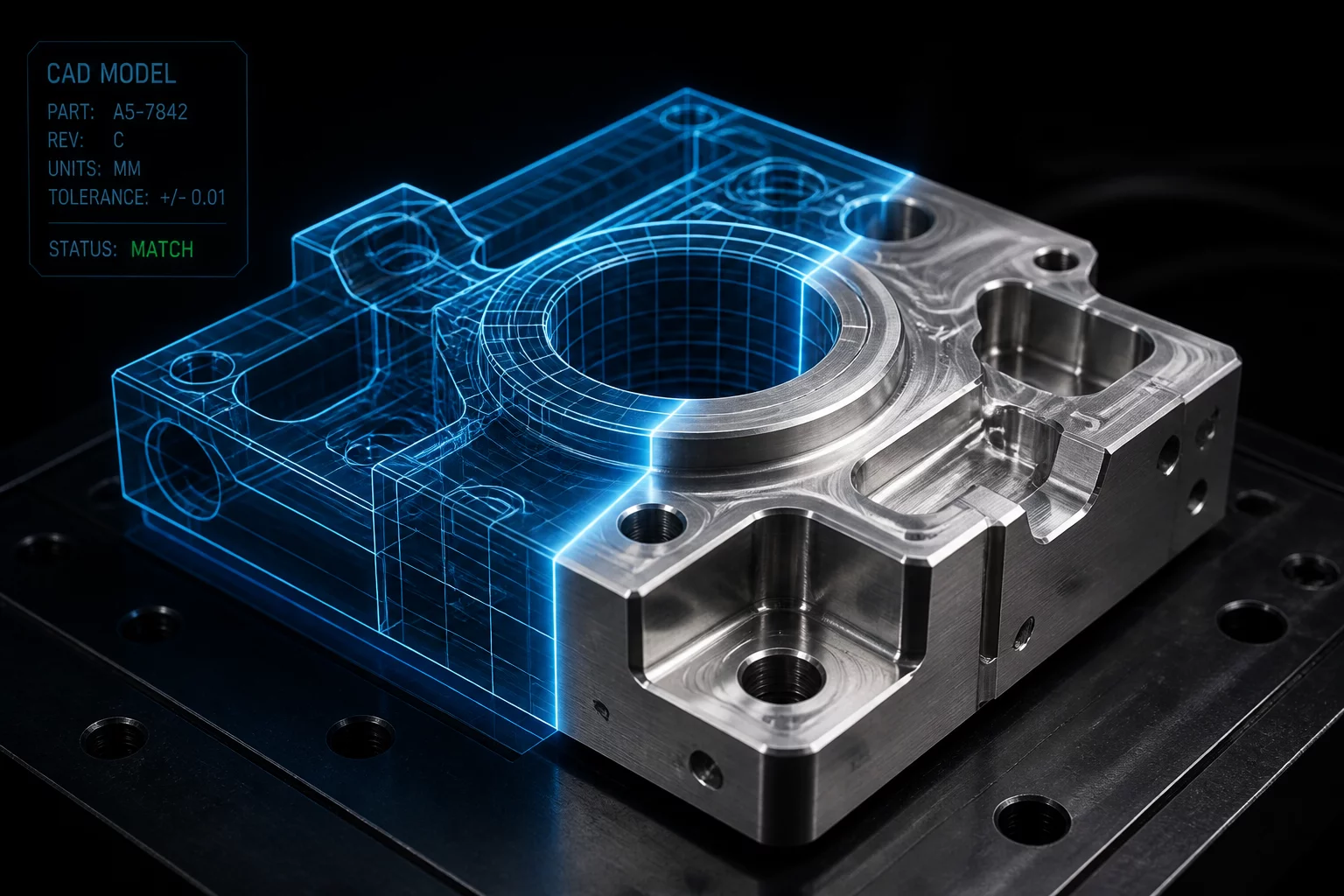
Quality control teams often struggle when the gap between the CAD model and the physical part is too wide. Digital designs are perfect, but physical manufacturing involves variables like tool wear, material impurities, and temperature fluctuations. Surface intent acts as the bridge, establishing a standard for acceptable variation. By defining these parameters early, companies ensure that every unit rolling off the assembly line meets the aesthetic expectations established during the prototyping phase.
The Impact on Quality Assurance
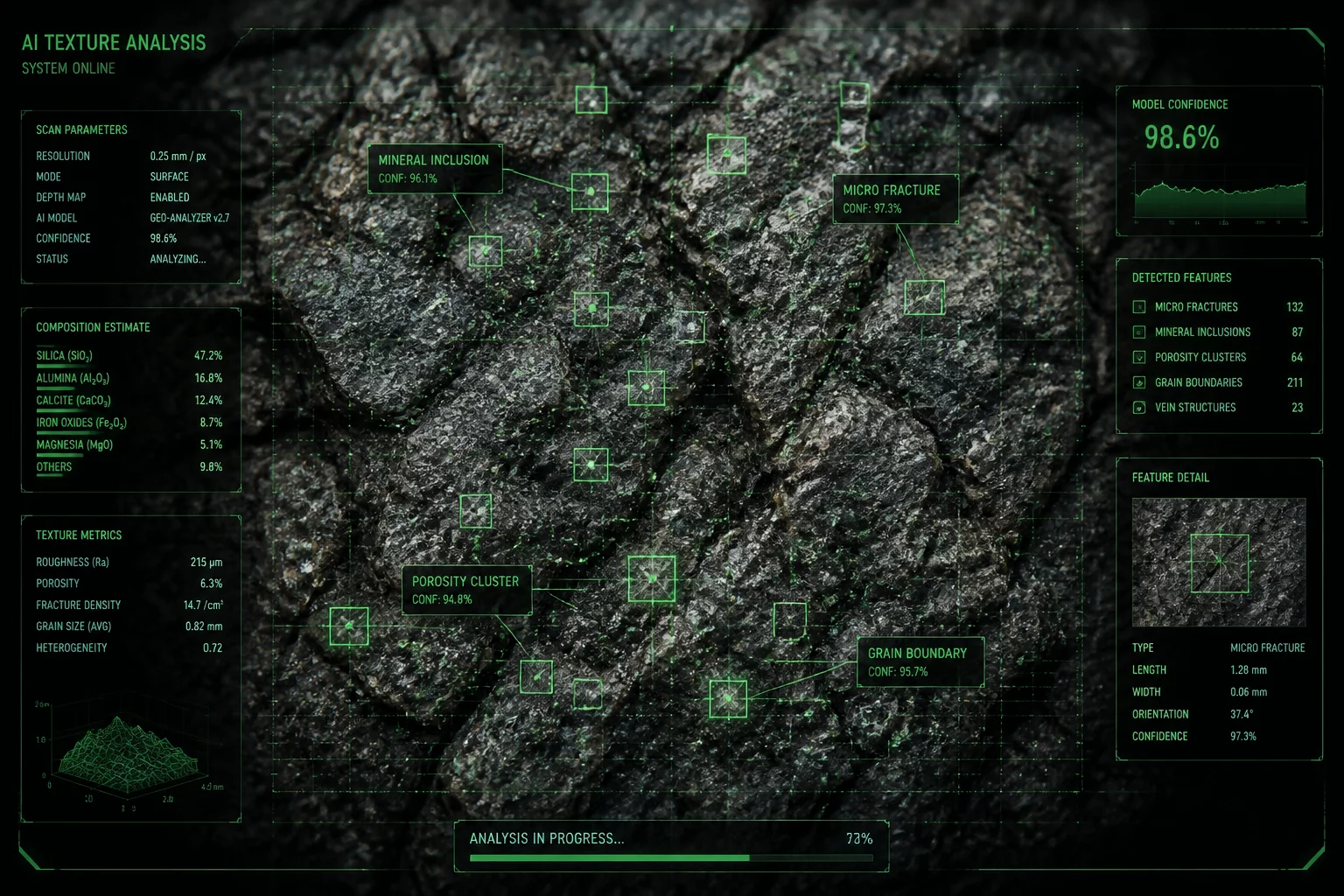
Traditional quality assurance (QA) focuses on dimensional accuracy—length, width, and tolerance. However, surface intent demands a shift toward visual and tactile consistency. If a part is dimensionally perfect but its texture is patchy or its edges are blurry, the product fails in the eyes of the consumer. Establishing surface intent involves creating a shared vocabulary of contrast and texture, allowing inspectors to identify visible marks that deviate from the intended design.
- Reduced Subjectivity: Clearly defined visual standards remove the "I know it when I see it" approach from inspection.
- Enhanced Consistency: Standards ensure that parts from different batches or even different suppliers look identical.
- Cost Efficiency: Catching texture deviations early prevents costly recalls and reworks later in the production cycle.
- Better Communication: Designers and manufacturers can speak the same language when discussing finishes and coatings.
Implementing Intent in the Workshop
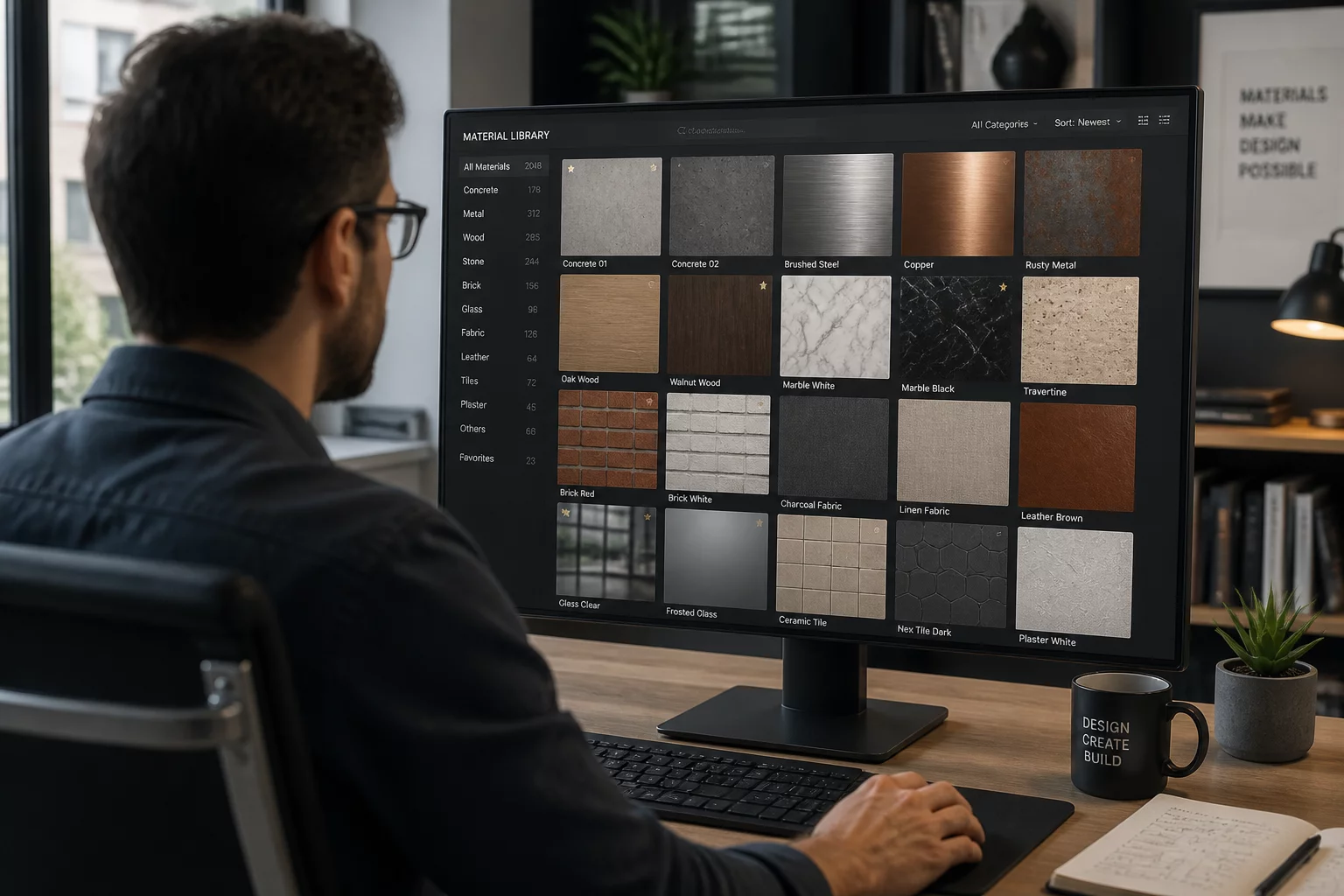
For workshops using tools like LightBurn or CNC mills, surface intent is manifested through speed, power, and frequency settings. A slight change in focal length can transform a crisp engraving into a muddy, low-contrast mark. Documenting these settings alongside visual samples creates a reference library. This atlas of surfaces allows operators to compare real-time production against the intended benchmark, ensuring that the final output aligns perfectly with the creative vision.
"Surface quality is the silent ambassador of brand value. When intent is clear, quality follows naturally."
Frequently Asked Questions
Why is surface intent more important than just following a sample?
A physical sample can degrade over time or be misinterpreted under different lighting. Surface intent documents the criteria behind the sample, providing a repeatable framework for assessment regardless of the environment.
How do I start defining intent for my projects?
Start by identifying the primary visual goals: contrast levels, edge sharpness, and texture uniformity. Use tools like the SurfaceIntent Atlas to categorize your observations and create a standardized vocabulary for your team.

Discussion
Surface intent is crucial. In my experience, failing to define this at the start of a project always leads to friction between the client and the fabrication shop. This article hits the nail on the head regarding the need for objective standards.
No comments yet
Be the first to share your thoughts on this article!
Leave a Comment