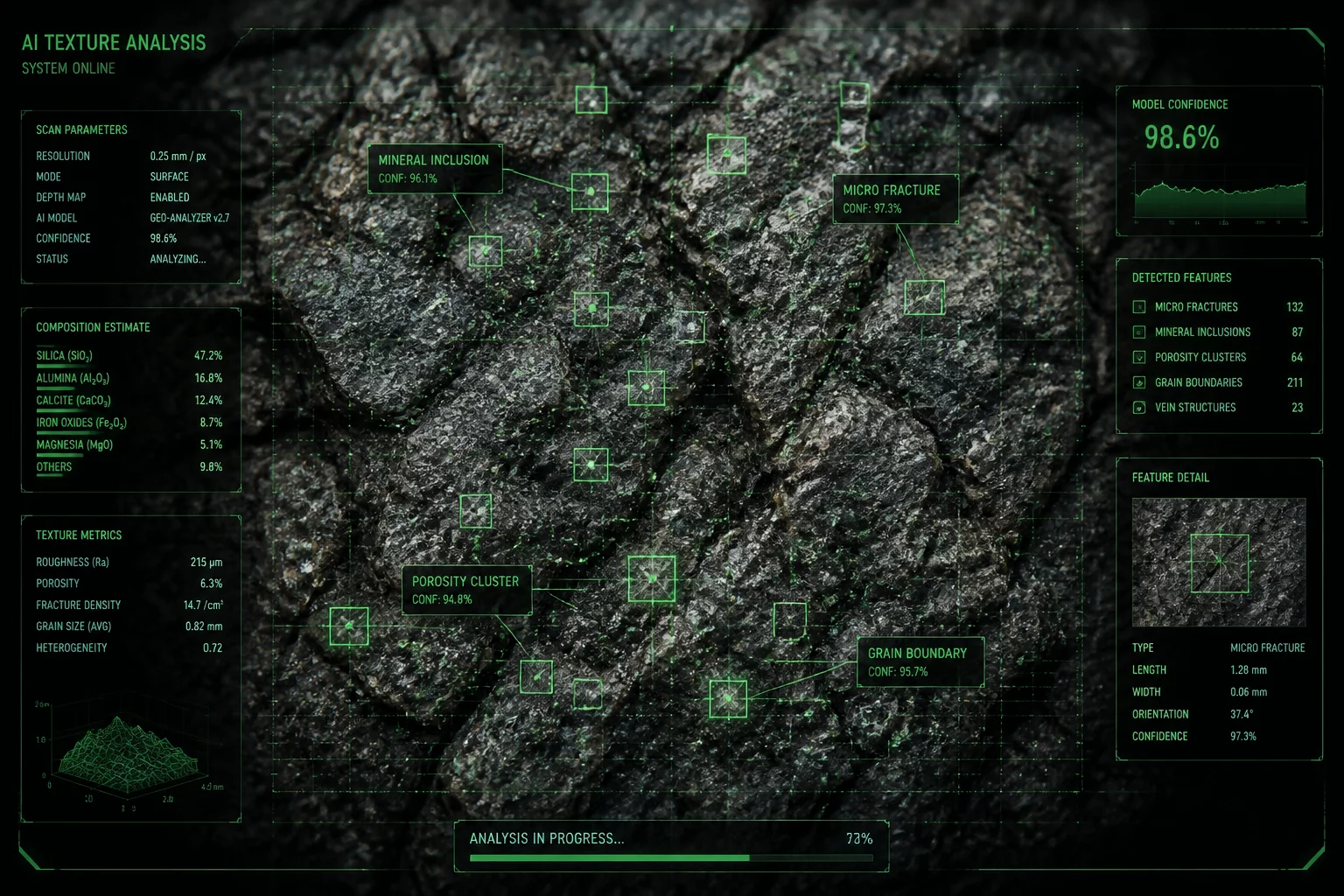
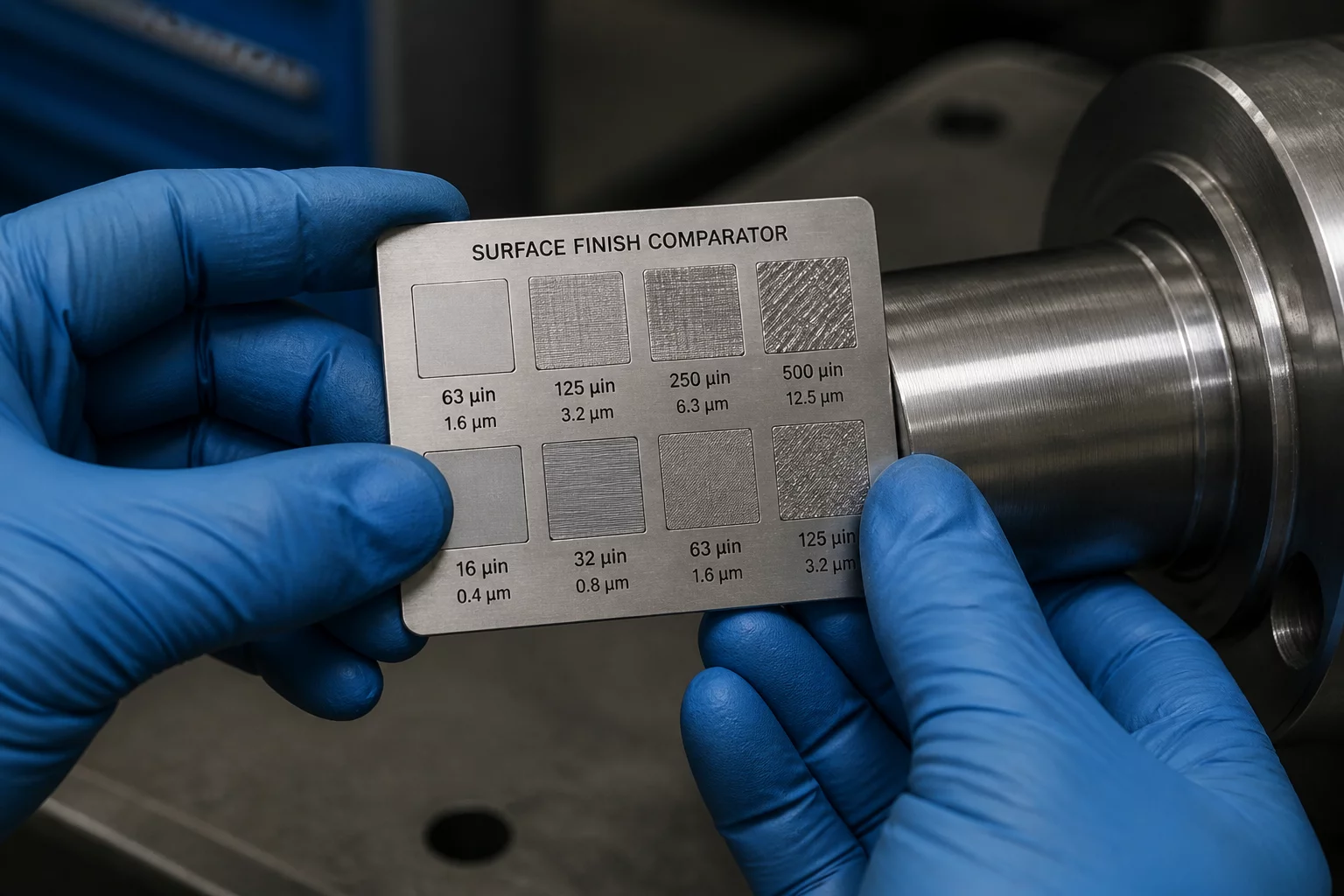
Digital manufacturing enters a new era where subjective interpretation of surface quality no longer suffices. Advanced industries now demand absolute precision in how textures are defined and measured. The shift toward automated texture assessment eliminates the variability inherent in human inspection. Precision standards provide the foundation for these repeatable results.
The Rise of AI in Surface Validation
Artificial intelligence plays a pivotal role in this transformation. Modern systems analyze high-resolution scans of material surfaces to detect microscopic defects that escape the human eye. Machine learning models recognize patterns in sandblasted, etched, or machined finishes with superhuman accuracy. These algorithms learn from thousands of samples to distinguish between intentional texture and manufacturing errors. The automation of this visual review ensures that quality remains consistent regardless of the shift or the inspector.
"The transition from qualitative observation to quantitative data is the most significant leap in quality control since the introduction of CNC machining."
Software Evolution: LightBurn and Beyond
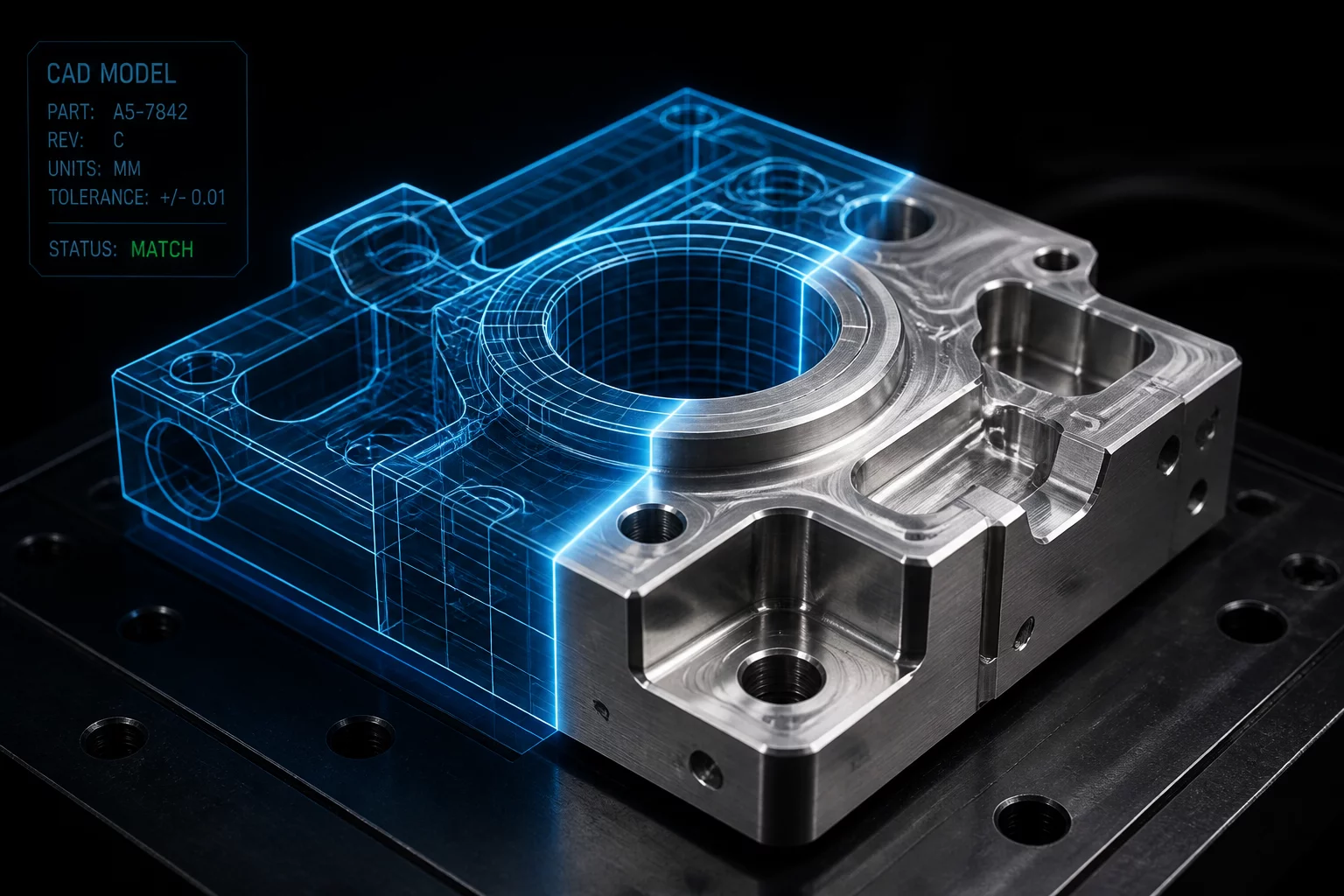
The integration of LightBurn 2.1 in May 2026 brought significant changes to laser-based surface texturing. This update introduced Labs features that allow for more complex visual layouts and deeper integration with inspection hardware. However, the software discontinued Linux support, forcing a shift in hardware ecosystems for many workshops. Professionals now rely on these specialized tools to bridge the gap between digital design and physical results. A digital twin of a texture allows designers to simulate light interaction before a single part is produced. This predictive capability reduces waste and accelerates production cycles.
Standardization via the SurfaceIntent Atlas
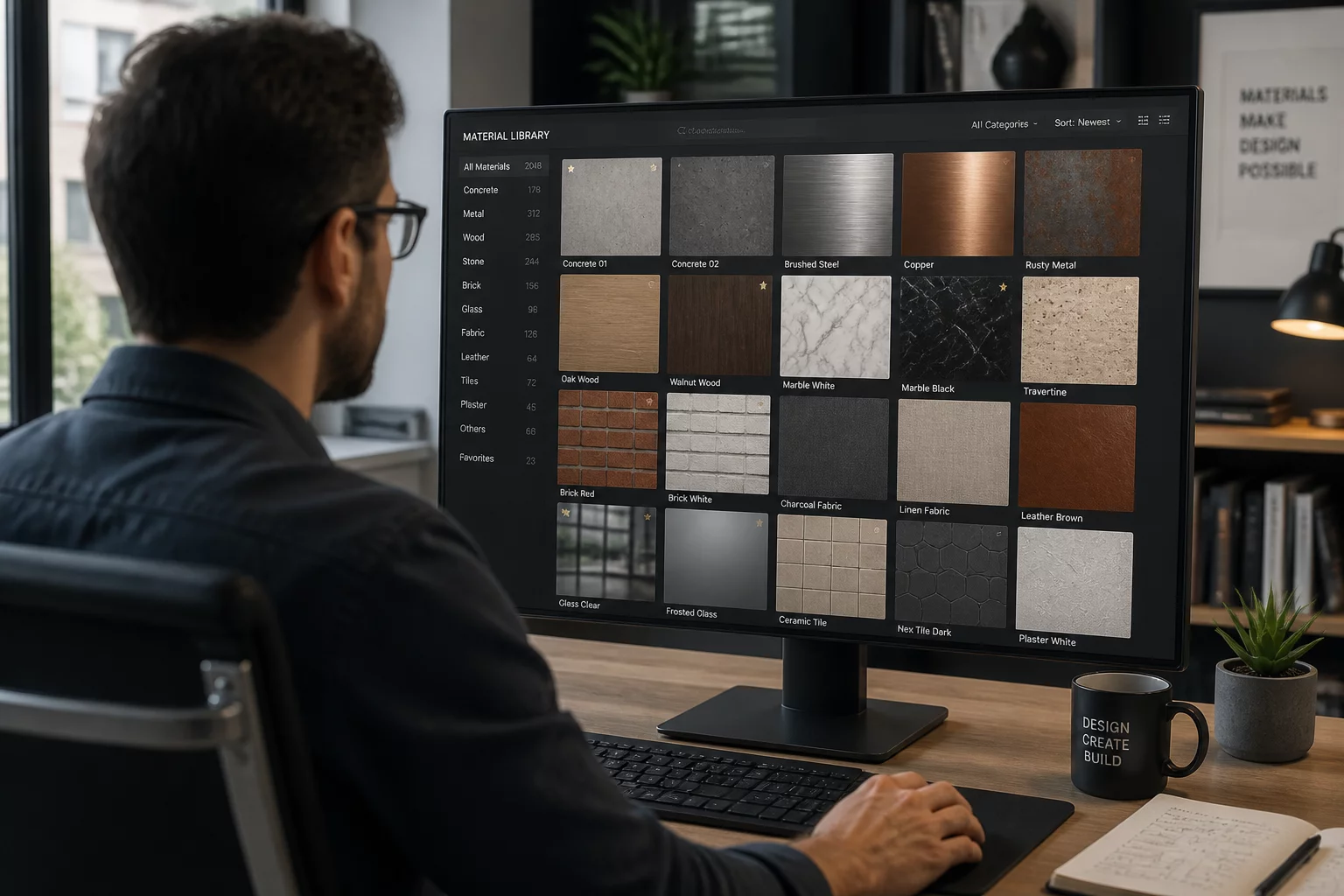
Standardization remains the backbone of this progress. The SurfaceIntent Atlas serves as a repository for these evolving visual criteria. It provides a common language for engineers and designers to discuss contrast, edge definition, and surface consistency. Without these shared definitions, communication breaks down. The future belongs to those who embrace these digital standards to ensure repeatability. Consistency across batches depends on these rigorous assessment methods. Quality control becomes a proactive rather than reactive process.
Frequently Asked Questions
-
How does AI improve texture assessment?
AI removes human bias and fatigue, allowing for 24/7 inspection with perfect repeatability across millions of parts.
-
Is manual inspection still relevant?
Human expertise is required to define the initial 'Surface Intent' and to handle non-standard edge cases where AI might lack context.
-
What role does LightBurn play in this?
It serves as the primary interface for applying textures to materials, with the 2.1.01 patch specifically enhancing precision controls for complex surfaces.

Discussion
No comments yet
This could be your first comment. Be the first to share your thoughts on the future of texture assessment!
Leave a Comment