Analyzing Material Depth
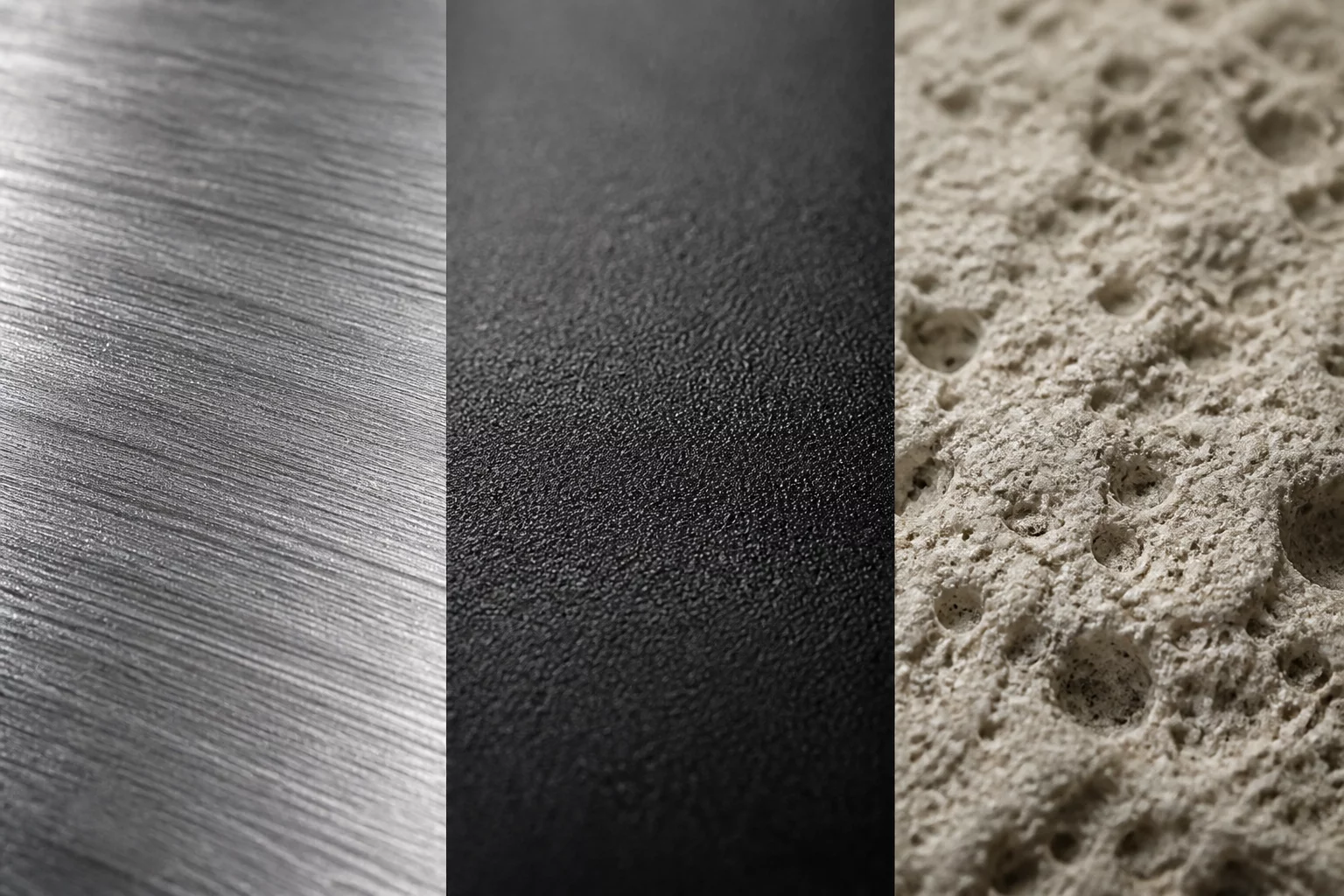
Texture observation is the foundational skill of surface analysis. It requires a disciplined approach to seeing beyond the surface-level color to the physical topography of the material.
When we evaluate a surface, we are looking for the 'language' of the material. This involves identifying how light interacts with microscopic ridges, the consistency of grain patterns, and the tactile response of the surface under varying conditions. In workshops using tools like LightBurn, understanding these textures is critical for predicting how lasers will engrave or cut through complex composites.
Effective observation allows for the categorization of surfaces into actionable data points: grain direction, pore density, and reflective variance.
Visual Clarity
Assessing how light scatters or focuses across the surface. High-contrast lighting reveals micro-shadows that define texture depth.
Tactile Feedback
Physical interaction confirms what the eye suggests. We measure friction, temperature, and grain prominence through direct contact.
Pattern Variance
Identifying irregularities in repeating patterns. These variances often indicate material quality or manufacturing inconsistencies.
Observation Checklist
Use these key indicators during your next material workshop to ensure consistent evaluation results.
- Light absorption vs. reflection levels
- Dimensionality of surface features (in mm)
- Porosity and absorption rates for coatings
- Mechanical resistance and surface hardness