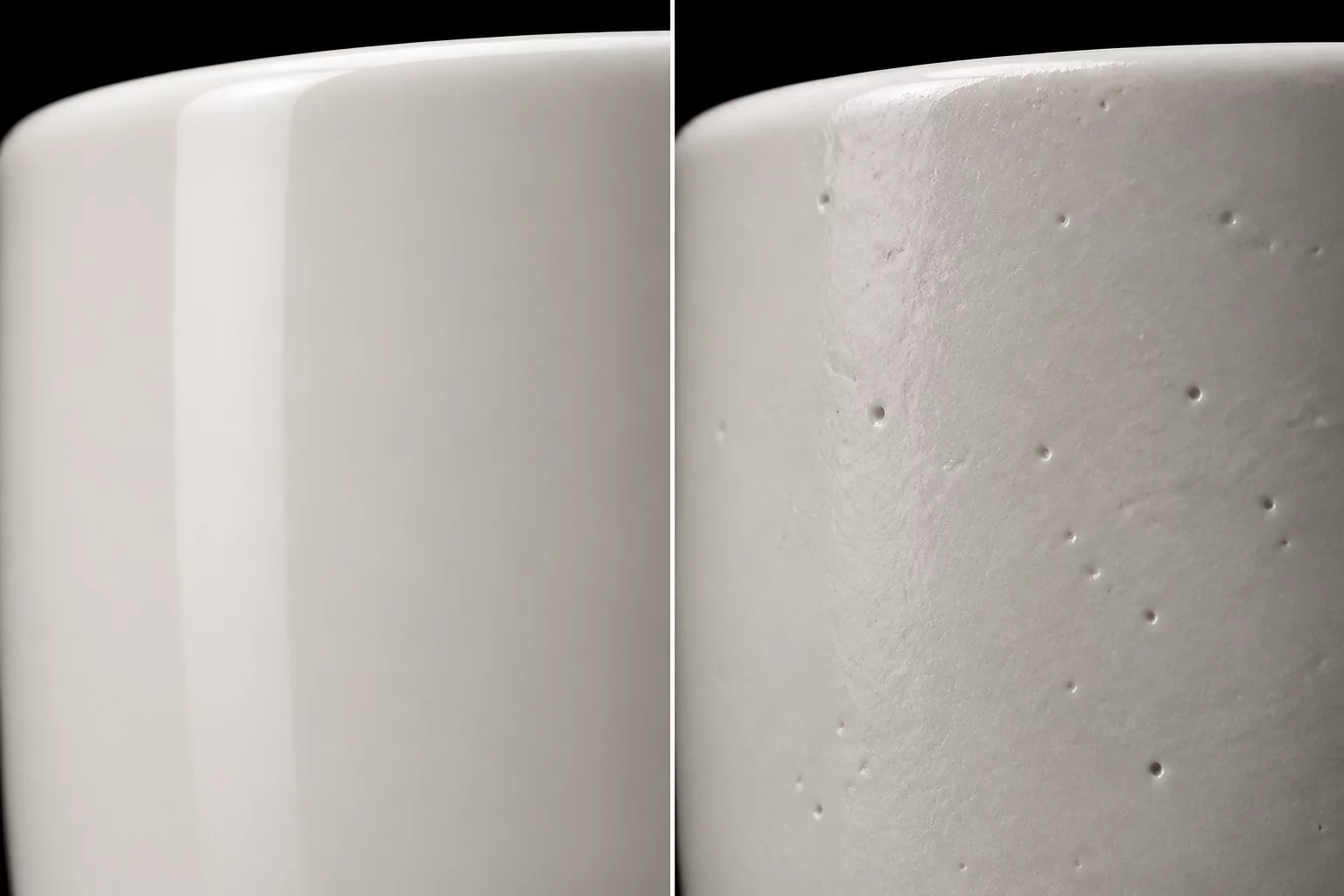
1. Assessment Objectives
The primary objective of identifying observable differences is to establish a standardized visual vocabulary that allows inspectors to pinpoint where a manufactured surface deviates from its design intent. This involves distinguishing between functional features—such as intended grip textures—and unintentional marks like tool chatter or laser power fluctuations. By creating a rigorous baseline for what constitutes a difference, manufacturing teams can significantly reduce the rejection rate and improve communication between designers and shop-floor technicians.
2. Quality Standards & Guidelines
Our criteria draw upon established international standards and the latest software advancements to ensure precision in evaluation. We specifically incorporate feedback loops from digital fabrication workflows to remain current with industry needs.
- Adherence to ISO 25178-2 for defining surface texture spatial frequencies and amplitude parameters.
- Integration of LightBurn 2.1.01 Patch protocols, accounting for the recent license pricing updates and the transition to Labs-driven features.
- Strict utilization of Surface Intent benchmarks to validate texture repeatability and contrast across diverse materials.
3. Verification Methodology
Verification involves a systematic three-stage inspection. First, the surface is assessed under low-angle grazing light to highlight micro-topographic variations. Second, digital comparators are used to overlay design files onto high-resolution photographs of the part, allowing for pixel-level delta analysis. Finally, detected differences are logged using the Surface Atlas Acceptance Language, categorizing them into acceptable variations or critical defects based on predetermined contrast thresholds.
Evaluation Feedback & Discussion 2
No feedback submitted yet. Be the first to share your observations!
Good methodology for differences. It provides a clear framework for identifying where production might be drifting from the original CAD intent.
Add Your Observation