1. Assessment Objectives
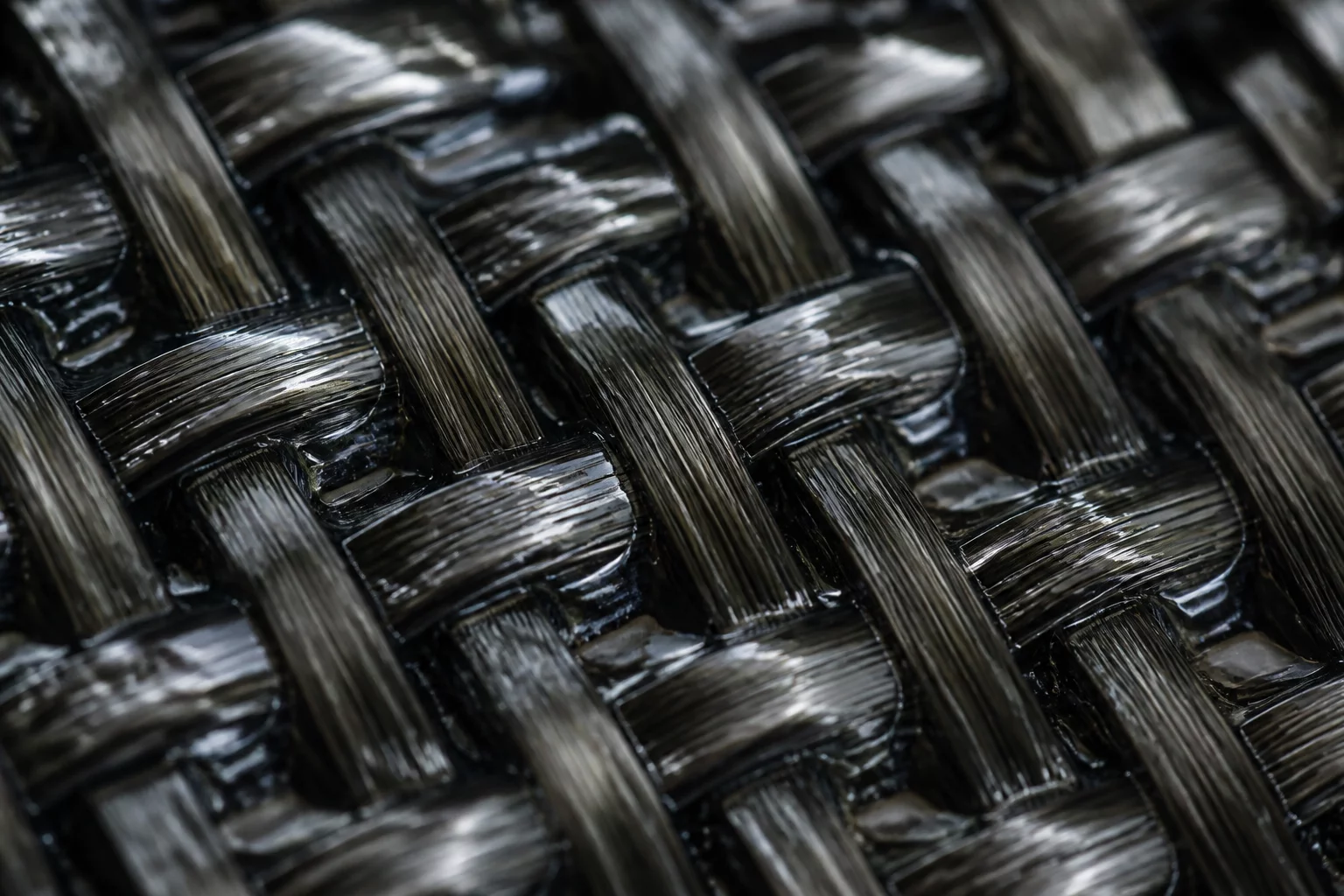
Advanced texture criteria establish a quantifiable framework for evaluating surfaces that exceed standard visual inspections. We focus on the interplay between micro-geometry and light reflection, ensuring that even complex, non-linear textures meet the intended design specifications. This involves assessing the tactile feel, the depth of grain, and the uniformity of randomized patterns across varying material batches. By implementing these advanced texture criteria, engineering teams can ensure that every unit rolling off the production line maintains the exact aesthetic and functional characteristics intended by the designers.
2. Quality Standards & Guidelines
Our guidelines integrate traditional surface finish metrics with modern digital analysis to cover high-spec industrial requirements. We reference updated standards alongside proprietary protocols to ensure clarity in acceptance rationale.
- Verification of micro-void density and distribution in cast or 3D-printed textures.
- Consistency of randomized grain patterns across non-planar surfaces.
- Gloss-level deviation thresholds within specific directional orientations.
3. Verification Methodology
Verification involves a multi-stage process starting with high-resolution photography under controlled polarized lighting. We then utilize digital surface mapping to compare the physical part against the CAD-defined intent. Finally, a manual tactile assessment by a certified inspector confirms that the surface meets the intended feel defined in the project scope. Lighting is critical; we use standardized light sources and specific angles of incidence to reveal shadows and highlights that define the texture's depth.
Frequently Asked Questions
What determines an 'advanced' texture versus a standard one?
Advanced textures involve non-repetitive micro-structures or functional finishes that require specific diffraction or friction properties, whereas standard textures are typically uniform matte or gloss finishes.
How does curvature affect consistency checks?
We use multi-angle photometric stereo imaging to reconstruct the 3D surface and compare it to the original model, ensuring the grain stays consistent despite the geometry.
Evaluation Feedback & Discussion 0
No feedback submitted yet. Be the first to share your observations!
Add Your Observation